You have no items in your shopping cart.
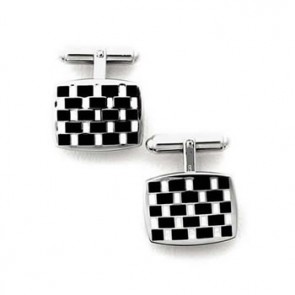
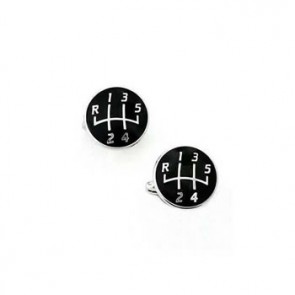
The Art of Enamelling by Fine Enamels Cufflinks
The application of Enamel (glass) as a decoration was first practiced by the Egyptians and developed by many societies down through the ages. The first applications were on pottery followed by enamel accents on gold jewellery. Enamelling was practiced by Western and Asian cultures before being revived as a modern art form during the Art Nouveau & Art Deco periods in the 19th and 20th Centuries.
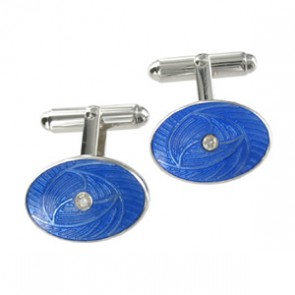
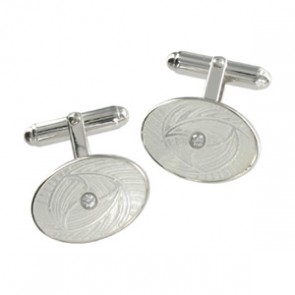
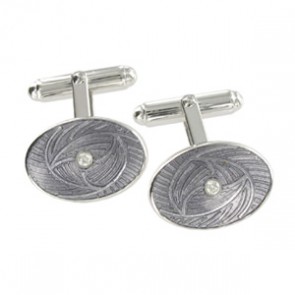
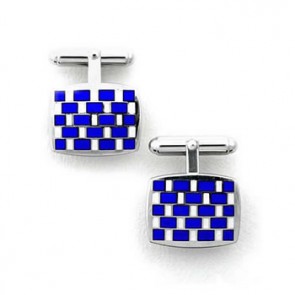
The Art of Enamelling begins with the skillful design of the cufflink shape to receive the inlaid enamel. Each piece of a Sterling Silver cufflink is formed by the traditional skills of a silversmith. The pure silver cufflink is meticulously cleaned before enameling can begin.
$201.23 RRP
Regular Price: $402.46 50% Off
$147.74 RRP
Regular Price: $295.47 50% Off
$39.41 RRP
Regular Price: $78.82 50% Off
$58.80 RRP
Regular Price: $117.61 50% Off
$146.40 RRP
Regular Price: $292.80 50% Off
$146.40 RRP
Regular Price: $292.80 50% Off
$146.40 RRP
Regular Price: $292.80 50% Off
$82.21 RRP
Regular Price: $164.41 50% Off
$83.54 RRP
Regular Price: $167.09 50% Off
$114.97 RRP
Regular Price: $229.94 50% Off
$19.35 RRP
Regular Price: $38.70 50% Off